| Memories of Michigan |
|
|
| (1989年から94年の始めまで自動車メ会社の駐在として滞在したミシガン州での生活経験をまとめた手記。 1994年2月の帰国直前にしたため、アメリカの友人に送った。) |
|
|
|
What should I speak first to wrap up my almost
five years of stay in Michigan? I came here
in May, 1989 when the violent burst of Spring
was about to begin. The air was still pretty
chilly during my first several days. Within
a couple of weeks, however, I was surrounded
by beautiful, fresh green . The growth of
new green was so fast that it reminded me
of Stravinsky's famous music " The Rite
of Spring" which depicted the blissful
arrival of spring in Russia.Living in outside of Japan, especially in
the US had been my long dream since I studied
English at College and used it in my following
carrier at the company. Before coming to
Michigan, I had a chance to visit the U.
S. a few times. So I was ready to jump start
my new life here.
.
|
|
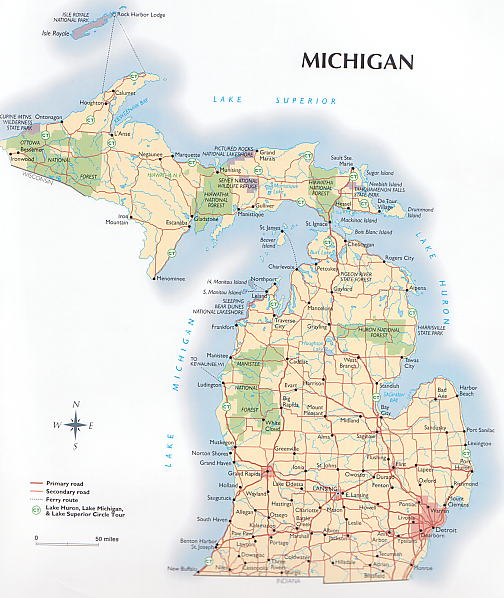 |
|
So what was the most impressive experience
I had here? Nature? People? or Work?
All of those were key components of
my experience here. In this essay, I will
try to talk about basically three aspects
of my experience: Language and American Principles;
Life in Michigan; and meaning of international
experience
|
|
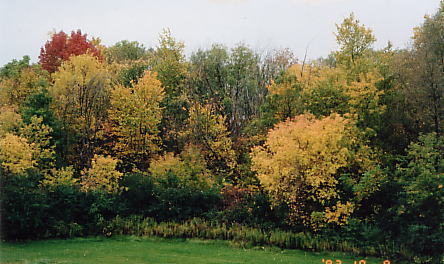
Ann Arborの自宅前の林に訪れた秋 |
|
The Fun of Communicating in English
What I concentrated most throughout the whole
stay was the language. When I
came here I
had a fairly good skill of listening
and
speaking in English so I could
communicate
my thoughts without much frustration.
But
the language was not really a
part of my
everyday life. Listnening, for
example, particularly
needed a lot of concentration
of the mind
in early days.So during the first several months, I was
breathing and absorbing the English
along
with the fresh summer air of
Michigan. Although my knowledge of English is still
pretty much business-oriented, I now feel
pretty comfortable to speak, even to teenagers
and infants. I learned many American idioms
from my collegues, which expanded the joy
of conversation. Also we subscribed to the
New York Times at home and both my wife and
I enjoyed discussing current issues and analysis
from the paper. On Sunday we spent most of
the morning in reading the paper and its
Sunday magazine*.
As often said, Japanese language doesn't
have a structure to communicate
thoughts
logically. I had a lot of occasions
to state
my thinking in front of many
people and this
experience taught me to think
and make statements
more clearly and logically. In
America, presentation
is as much important as the contents.
Style
and delivery is so important
that President
Clinton practiced his State of
the Union address too much and almost lost his voice.
In Japan, eloquence never took
a center stage
of communication culture. People
talk with
implicit words and read between
the lines.
|
|

New York Times Sunday Magazine。日曜日の朝にじっくり楽しめるカバーストーリーが魅力だ。 アメリカには、全国紙といえる新聞は、NYTimesとWall
Street Journal ぐらい。 Timesは、政治、経済、国際、文化、スポーツなどあらゆる面で、充実した記事を提供してくれる。
アメリカのジャーナリズムからは、一目おかれる存在。 |
|
American Principles
One of the strongest impressions I developed
while living here was that America
and its
people were driven by principles.
It seems
to me that the fundamental principles
driving
this country are: Freedom; Democracy;
Leadership;
and Family values. These were
the words I
read and heard most frequently especially from the
leaders of the country. The freedom of speech, for example, is at
the core of American principles
and values.
I was impressed many times how
strongly is
this right guaranteed. I remember
the debate
about the act of burning the
Stars and Stripes.
In Japan, this will be a taboo
and simply
unexcusable act. Japanese people
are trained
to abide by the social codes.
There is no
place for so-called sticking-out
nails. In
the States, however, people seems
to have
a right of challenging any protocols
and
taboos.
In some cases,I felt both up and down sides
of freedom of speech. Although the debate
by Presidential candidates was mostly energetic
and interesting, sometimes it went into the
attacks on the personalily and private issues.
The way they bombarded each other so
fierecely, and yet being able to shake
hands at the end was difficult to imagine
in our culture. Our practice is based on
harmony and the will to reach consensus.
People avoid confrontation. In the US, sometines
it seemed that what matters most was to state
one's own position, without giving much regard
to other's position and the prospect of reaching
consensus. Or did I see too much movies about
lawyers?
|
|
|
|
Gulf War Experience
One memorable example I felt the importance
of principles to the American people was
the Gulf war in 1991. I can still recall
the shivers I felt when President Bush announced
the launch of attack to Iraq in the evening of
January 16, 1991. I expected
the war soon
after the UN deadline of Iraq's
withdrawal
from Kuait.I knew there was a lot of opposition to the
war. But since I was able to see the process of President's decision-making, I could at least understand
his decision. I witnessed the
efforts President
had taken to avoid the war. I saw the agony splitting this leader between
the hesitation of endangering
American troops
and the responsibility as a world
superpower
to maintain stability and democracy
in the
world. The war was for Democracy
and Human
rights and American Leadership.
I think the overwhelming support of the Presiden's
decision once the war started
was the manifestation
of this understanding by the
American public.
I know that words and principles
are prone
to become cliches and sometimes
undermine
the truth. But I learned that America and its people can act on causes and principles.
|
|
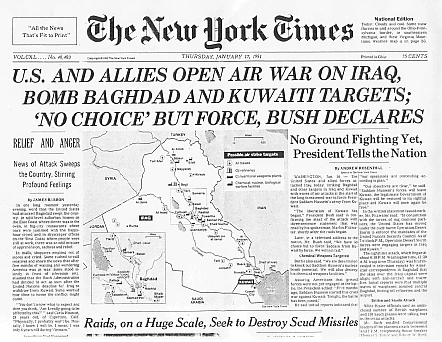
イラク攻撃開始を報じる1991年1月17日の朝刊。湾岸戦争については、アメリカ国内でも「石油のための戦争だ」という反論も多かったが、この決断に対するブッシュへの支持率は、91%と驚異的に高かった。 大統領は、攻撃を開始した16日の夜9時から3大ネットTV, ラジオを通じてホワイトハウスから国民に演説した。
30万人の兵士を危険にさらす事と、世界秩序と人道的観点からィラクのクエート侵略を許すまいとする気持ちの間で苦渋する合衆国大統領の責任の重さと決断の過程を報道を通して肌身で感じた。 TVで放映されたトマホークの発射シーンや、赤外線レーダーを使った暗闇での正確無比な空爆がアメリカの軍事力の圧倒を見せつけ、 陸、海、空軍の緻密な作戦と統率力は、国民の愛国心を鼓舞した。
因みに、ワシントンの政治力学、外交、軍事、行政について知るうえで、D.
ハルバースタムの名著「The best and the brightest」は参考になる。 このピュ-リッツアー賞受賞のノンフィクションには、ケネディー、ジョンソン政権がベトナム戦争に踏み込み、敗北して行く過程が克明に描かれており、多くの教訓を与えてくれる |
|
Space and Mobility
Now let me change the subject to the life
in Michigan. As the time of my
return to
Japan came closer, my American
friends often
asked, " What do you miss
most of America?" I tried to say something intriguing, but usually ended up saying, " Maybe space
and mobility." The first
impression
you get when viewing Michigan
from the airplane
is the vast, rectangular land
drawn up by
the straight roads. No hills
and mountains.
In Japan 80 percent of the land
are mountains
and we see those hills and mountains
fairly
close to cities. The streets
are narrow and
buildings are high. The proportion
of landscape
is vertical, making stark contrast
to the
horizental landscape of the US
where the
buildings more than three stories
are rare. For Japanese, hotels are usually multi-story
construction. So when we see
single or two
story motels for the first time,
we can't
believe that it's a hotel.
Once you start driving a car, you quickly
recognize the benefits of its
mobility which
expand your territory drastically.
I commuted
from Ann Arbor to Flat Rock everyday.
I cruised
70-75 miles without traffic problems
except
on some winter days. So I could
cover the
37 miles one way in less than 45 minutes. My wife
went to a graduate school at
Eastern Michigan
in Ypsilanti with her own car.
Probably it
was she who most appreciated
easy access
to school, shopping mall and
friends' houses.
In Japan, we rely heavily on
public transportation
and waiting time can be frustrating.
We drove a total of four different vehicles
in Michigan. Here cars are indispensable
tool for daily life like shoes.. The reliabilty
of these machines is crucial for your safety. We accumulated over 140,000 miles on those
four vehicles, which is equivalent
of going
back and forth between Michigan
and Japan
10 times.
|
|
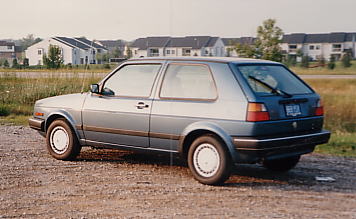
家内の足として活躍したVWゴルフ。オドメーターは、3年間で5万マイルを超えた。
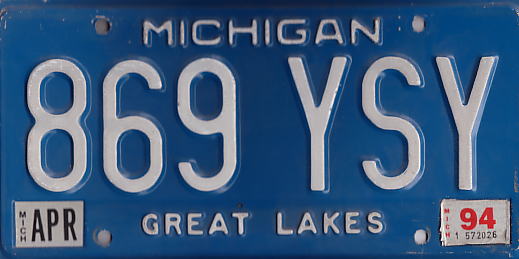
ミシガン州のライセンスプレート。一度プレートを送ってくると、後は毎年、期限を示すシールを貼り付けるだけ。車検は、一部County(郡)
レベルで排ガスの検査が義務付けられているが面倒な手続きはない。 |
|
Driving into the Deep South
One of our memorable trips by car was a trip
to New Orleans in the winter
of 1992. We
drove down through Ohio, Kentucy,Tennessee
and Mississippi before entering
Luisiana.
The mansion we stayed in Natchez,
Mississippi
was a historical one where the
first Confederate
President Jefferson Davis married.
But what
impressed me more was a spectacular
view
of the mighty Mississippi river.
I was amazed when the woman of the mansion
told me with a heavy southern
accent that
the river was more than 100 feet
deep. We
don't have such deep rivers in
Japan. Even
the big ones are usually not
more than 10
feet deep. Unfortunately, the
mightiness
of the Mississippi river caused
a disaster
in many Midwest states last summer. Anyway, the language
and culture of the South was
pretty different
from those of North. And when
we saw the
confederate flag hanged at the
State Capital
in Montgomery, Alabama, we could
better understand
the civil war and racial issues
which had
split the South and North for
almost 100
years until 1960s.
In talking about the nature, I can't afford
not mentioning the beauty of
northern Michigan.
I attended the University of
Michigan's seminar
up in Traverse city every summer.
We also
visited Mackinac island and went
to the upper
peninsula a few times. The beautiful
green
and the blue Lake Michigan are
uncomparable
in its scale and abunduance.
In the fall,
the view from the top of the
Chrystal mountain,
south of Traverse city was just
fabulous.
The diversity of colors ranging
from deep
red to orange and to yellow can't be easily seen in Japan. The colors were
all over in any direction we
turned. The
only place we wanted to visit
in Michigan
but unable to do so was Copper
Harbour, which
is a narrow peninsula sticking
out into Lake
Superior. We had an ambition
of visiting
there on a cold winter day. But
it's almost
600 miles from here and it was
wise not trying
that especially after the winter
we had this
year!
This country has an enormous nature and well-organized
national parks. Unfortunately,
we visited
only a couple - Yosemite and Great Smokie Mountains. But
we want to visit other places
someday.
|
|
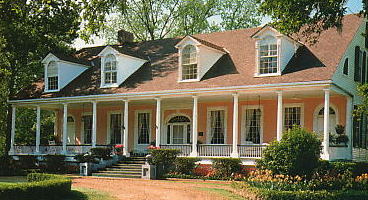
ミシシッピー州のNatchezは、ミシシッピー川沿いの海運の要所として栄え、たくさんの豪邸(マンション)があり、現在は観光地と化している。 写真のThe
Briarsは、南北戦争時代、連邦政府に対抗して南部州が設立したConfederacy政権で初代大統領となった、Jefferson
Davisが結婚式を挙げた由緒あるところ。ミシシッピー川を望む高い川岸に位置している。
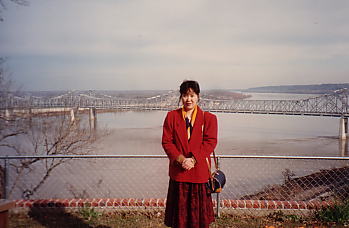
New Orleans 近くでカリブ海に注ぐミシシッピーは、この辺りではまだ河口まで200マイル近くあるが、水深は、100フィートを超える。 |
|
Detroit and Its Community
When Mazda, a Japanse automaker decided to
build a plant in suburbs of Detroit
and started
sending people here, many thought
that it
would not be safe and had a gloomy
image
of life. But in reality, almost
everybody enjoyed the life here very much. That is
not just because we can play
a lot of golf.
But because of the overall conditions
of
life such as confortable housings,
inexpensive
prices, richness of nature and friendly people. Of course most people lived
outskirts of Detroit and it is
true there
are poverty and crimes in the
city of Detroit.
It is unfortunate that Detroit lost half
of its population since its peak in mid- 60s.
However, there are some exciting
entertainment
and sports events in the city. Many of us visited the Tiger stadium and
appreciated its beauty and Cecil
Fielder
who played in Japanese professional
team
several years ago.
The Detroit Institute of Arts(DIA) and the
Detroit Symphony Orchestra(DSO)
are one of
the best in the country. The
Fox and Fisher
theatres provide a good entertainment
throughout
the year.
I was involved in several community and philanthropic
activites such as Detroit Free
Press /Mazda
International Marathon and sponsorship
of
DIA and DSO. The marathon, which
we have
been co-sponsoring since 1990,
was one of
the most exciting event. Both
American and
Japanese employees and their
families volunteered
to host aid stations and helped
runners.
I always envied the runners at
the start
line because they was so triumphant
and jubilant.
Marathon is usually only for
top athletes
in Japan. This type of grass
roots-oriented,
citizen's race was new to me.
Both runners
and volunteers could share the
feeling of
participation. This race showed
us the spirit
of people who believed that Detroit
was up
and running.
Philanthropic activities was another area
I could learn the difference.
In Japan corporate
philanthropy is still in its
infancy. Non-profit
organizations are still largely
funded by
governments and taxes.There is
a undercurrent
feeling in Japanese people that
receiveing
donations and gifts are somewhat
shameful.
In Western culture, it may be
Nobless Oblige
and natural to help the unfortunate.In Japan, 90 percent people regard themselves
belonging to a middle class.
In this country,
there is a deep division between the rich and the poor.
In a sense, contribution is a
mechanism to
level the distribution of fortune throughout the whole spectrum of
society. Many millionaires who
succeeded
in their life and made a fortune
became very
active in the philanthropic causes.
But even
the ordinary people can have
a sense of resposibility
and participation in their society
by donating
small amount of their fortune.
President J.F. Kennedy said in his inauguration
speech :" Ask not what the
country can
do for you. Ask what you can
do for your
country." For me this is a vigorous representation
of the democratic causes that
is alive in
the people of this country.
|
|
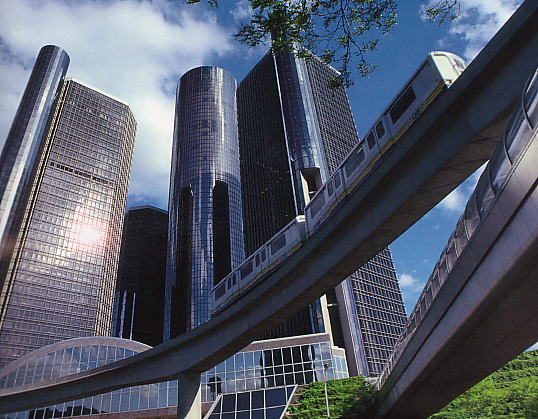
デトロイトの再興を期してダウンタウンに70年代に建設されたルネサンスセンターとPeople
mover. デトロイトは、60年代の公民権運動の余波と高速道路網の発達で、いわゆるUrban
Exdusが起こり、200万人いた人口が半分以下になった。 Hudsonsの本社の閉鎖以来、ダウンタウンのショッピングの機能は失われたが、オフィス街は健在で、Greater
Detroit Area(人口約400万人)から、毎日通勤のクルマのラッシュが見られる。
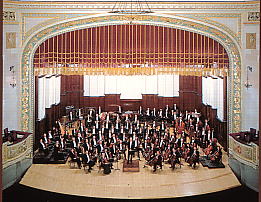
デトロイトのWoodward Street沿いにある、Detroit
Symphony Hall。 かつて、60年代に東欧の指揮者アンタル・ドラティーのバルトークの録音などが日本でもよく知られていた。 ホールの内部は、小じんまりしているが、装飾はなかなか豪華で音響も良い。 この他、DIA(Detroit Institute
of Arts)には、印象派やアメリカ絵画の優れたコレクションがある。ここの必見は、メキシコの反体制画家Diego
Liveraによる大壁画、「Detroit Industry」だ。
ミシガンに本拠を置く企業は、多くの寄付でこのような文化施設を支えている。この他、ニューヨーク、フィラデルフィア、シカゴ、クリーブランド、ボストン、セントルイス、ロサンゼルスなどアメリカの都市には、優れた交響楽団や美術館が目白押しである。 |
|
In the Heart of American Automotive Industry
During the last 5 years there was a enormous
change in the business we are
in. Southeast
Michigan is the heartland of
the American
automotive industry and being
in the midest
of it in itself was an interesting
experience.During this period the American automotive
industry suffered long and recently
came
back very strongly. There was a Japan-bashing and then unprecedented
tie-ups were made among Big Three
and the
US government. The pressure is
still on the
Japanese which is now suffering
from the
severe recession at home. I am
not going
to start discussion about the political side of our business.
But I believe, like many Americans,
that the American auto industry's competitivenes
was regained through tough competition
with
the world's automakers, especially
with the
Japanese.
We know that America always oscillated between
free trade and managed trade.
But in my opinion,
it was the freedom of competition
that drove
the indivisuals and companies
into success
and prosperity. With that competitive
mind
this country has kept its never-ceasing
energy
and creativity. Hardworkers may
have a chance
to succeed with a help of a little
luck.
In that sense American Dream
may be still
alive. And that's why people
still immigrate
into this country. There is a
decent chance
of success, especially for an
educated people,
in today's American society.
|
|
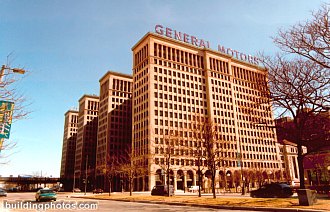
アメリカ自動車Big 3のリーダー、GMの本社ビル。NewCenter
oneと呼ばれるデトロイト市内のこの地区には、1920年代の建築の粋をつくしたFisher
building などがある。GMは、写真の本社ビルをデトロイト市に1ドルで寄付し、1999年に本社をルネサンスセンターに移した。 ルネサンスセンターがHenry
Ford 二世の支援で建てられたことを思うと複雑なものがあったであろう。
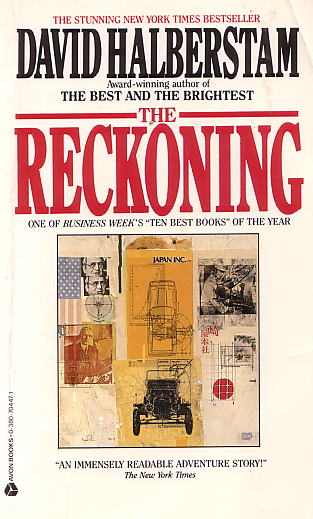 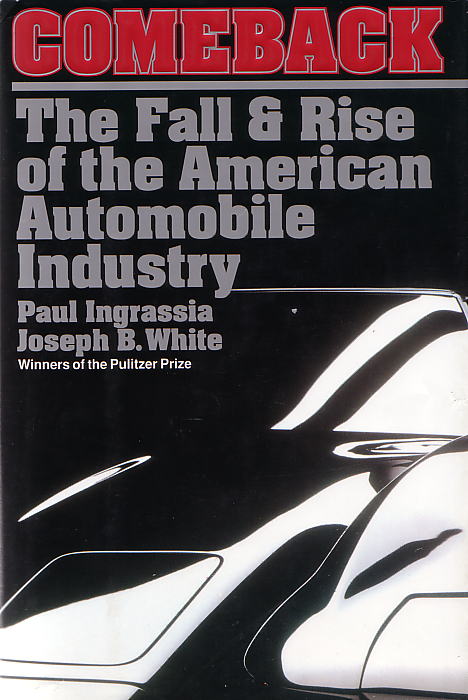
1980年代、日本の自動車産業は、高品質で生産性の高い開発、生産システムを持って、アメリカの伝統ある自動車業界を震撼させた。 ハルバースタムは、「The
Reckoning」で、日本自動車産業の歴史と発展を緻密な取材に基づいて著した。
Wall Street Journal紙のデトロイト支局長を長年務めたPaul
IngrassiaとJoseph Whiteが1994年に著した「Comeback」は、デトロイトが1990年初頭の不況をマネジメントの刷新と構造改革によって克服した足跡を辿る。 バブル弾けた91年以降、日米の自動車産業の力関係は180度逆転した。今や日本の主要自動車メーカーで、外資を導入していないのは、トヨタとホンダ2社のみとなった。 |
|
America's Challenges, Japan's Changes
Of course the competition theory also yeilds
dropouts. In addition, there
is a growing
concern for the level of education
and loss
of intellectual jobs right now.
America is
trying to address those issues.
Japan, on
the other hand, is too homogenious
and its
system undermines the differences.
This system
started to cause problems as
our society
became more mature and showed
symptoms of
advanced liberal capitalistic
society. Japan
needs to change to allow more
indivisuality
and competition. This may inevitably destruct the illusion of 90 peercent
middle-class society.
So probably our two countries are closing
the gap from opposite directions. But I don't think Japan should hope that
the traditional Japanese customs
and behaviors
will be fully understood someday
by the US
and the West. Rather, Japan needs to fully master their
language and principles to communicate
more
effectively and become a real
partner of
these countries. This will not
be easy since
the difference between Japan
and the West
is deeply rooted in their own
histories and
cultures.
But when we look at the business world, our
countries are closely interliked
and cooperation
is expanding at a tremendous
pace. The traffic
and exchange of people between
East and West
are ever increasing. Only second
to Germany,
Japan is the most popular destination
of US high school exchange students under Youth for Understanding
Exchange Program.
|
|
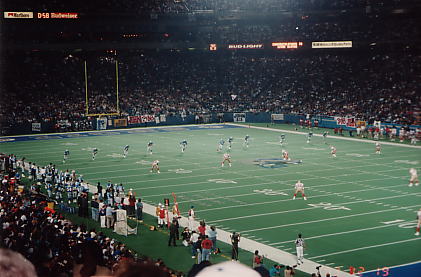
デトロイト近郊では、スポーツも楽しめる。 デトロイトタイガースは、1920年代に造られたスタジアムを最近ダウンタウンに立て替えた。NFLのLionsのホームもポンティアックのシルバードームから、デトロイトに引っ越した。 ホッケーのRed
WingsのホームもダウンタウンのJoe Luis Areaである。 この他、大学スポーツも地元では大変な人気だ。University
of MichiganのWolvlinesは、フットボール、バスケットなどで全米のトップクラス。 Ann Arborのフットボールスタジアムは、10万人を収容する。
|
|
After Returning to Japan...
Having been outside of Japan, I tended to
be more critical to Japan's downsides
and
upheld the positive sides of
the US. That's
a normal tendency for a person
sent by an
international company and lived
under protected
environment. For example, I did't
have to
worry about getting laid-off
or health care
costs. Probably after returning
to Japan
I will glorify the experience here as we live in
a tiny apartment and severe economic
slump
of Japan. Or will I reverse my
position and
criticize US for not trying to
understand
our society and culture and for
pushing framework
talks? I might. But since I now
somehow understand
US 's tactics and how the politics
works
inside the beltway, I don't think
I will
overreact or become Ken-bei(dislike
America).
I want to keep the flexibility
to digest
the complexities of issues and be patient with the situation
without making easy labeling
or name-calling.
I see Japan stands at a turningpoint in terms
of political system, economy,
corporate structures
and is shifting to more consumer-oriented
society. The changes may be gradual,
but
will be significant. Basically
I am a strong
advocate of these changes.
After getting so used to the life here, can
I adjust to the Japanese system
easily? Probably
no major problems. I would speak
Japanese
most of the time and bow to people
instead
of shaking hands. Although I
forgot some
complicated Kanjis (Chinese characters), I should be able to speak Keigo (honorifics)
without making big mistakes.I will miss the opportunity to hear and speak
English, so I will probably buy a satellite broadcast system to watch CNN.
I will communicate with my freiends
through
Compu Serv. Sounds pretty good,
doesn't it?
In leaving the U.S.A., I want to thank America
and the people I was associated
with for
a lot of fund memories and valuable
experience.
I was lucky to come at rather
young age and
learned things which I could
have never did
just living in Japan. The experience
is part
of myself and will be my asset
for life.
Thank you again and I wish you
the best of health and happiness.
(February, 1994)
|
|
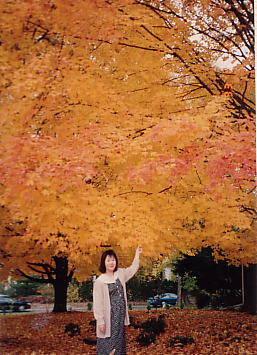
Ann Arborの晩秋。10月中旬には、
紅葉はピークを迎える。
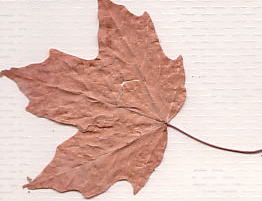
遅い春、短い夏、秋の紅葉の見事さは、取りも直さず長い寒い冬の存在を意味する。12月から3月までは、灰色の景色が続く。因みに積雪は、10インチクラスが、年に5,6回と多くはないが、零度を超えることが少ない冬場は、一度降った雪は2,3週間は解けない。 |
| Return to the Authur page |
|
|
|